The Smartest Move You’re Not Making (Yet): Join Your State Grooming Association!
In a rapidly evolving pet care industry, professional pet groomers are continually seeking ways to grow, stay informed, and connect with like-minded peers. One of the most powerful steps a groomer can take is joining a state grooming association. These organizations offer more than just a membership card—they provide resources, advocacy, community, and credibility that can make a tangible difference in a groomer’s career. 1. Professional Recognition and Credibility Being a member of a recognized state grooming association immediately sets a groomer apart. It demonstrates a commitment to professionalism, continuing education, and industry standards. Many associations provide members with a certificate, wall plaque, or listing on their website, which helps build trust with clients and showcases accountability. 2. Access to Continued Education Staying up to date with the latest grooming techniques, safety protocols, and business practices is vital. State associations often host or provide discounts to grooming seminars, hands-on workshops, webinars, and trade shows. These events allow groomers to expand their knowledge and stay current in an industry where trends and tools are always changing. 3. Networking Opportunities Working in a salon, mobile, or house-call setting can be isolating. A state association creates a community where groomers can connect, share experiences, exchange referrals, and even mentor one another. These relationships can lead to long-term friendships, business collaborations, or valuable support during challenging times. 4. Advocacy and Representation State grooming associations are often at the forefront of legislative efforts that impact the grooming industry. Whether it’s animal welfare laws, licensing requirements, or small business regulations, these associations give groomers a collective voice. Members are kept informed and can contribute to shaping the policies that directly affect their livelihoods. 5. Exclusive Perks and Discounts Membership often comes with financial benefits, including discounts on insurance, grooming supplies, continuing education events, and more. These perks can add up quickly and provide significant savings over time, especially for small business owners managing tight margins. 6. Elevating the Industry Joining a state association is also about being part of something bigger—raising the standards of the profession and advocating for excellence in care. Members help promote ethical practices, safe handling, and the overall well-being of pets, which enhances the industry’s reputation. But wait, you don’t have an association, but want to start one? Then join the World Alliance Of Grooming Associations at https://waga.wildapricot.org to get started with support. In Summary Joining a state grooming association is an investment in a groomer’s future. It supports personal and professional growth, creates opportunities for connection, and reinforces the values that make grooming a respected and essential part of the pet care world. For groomers who want to stand out, stay supported, and shape the future of their profession, a state association is not just beneficial—it’s essential.
From Guesswork to Game Plan: Build a Grooming Business That Grows

📝 Do You Really Need a Business Plan? (Yes—And Here’s Why) Wait—don’t scroll past this.Are you about to skip this article because you think a business plan doesn’t apply to you? Maybe you’re thinking: Think again. A written business plan is not just a fundraising tool—it’s the blueprint for your business’s success. It’s the document that keeps you focused, organized, and ready to grow with intention. “Planning is bringing the future into the present so that you can do something about it now.” — Alan Lakein Why Every Pet Business Needs a Business Plan Even if you’re not starting from scratch, your business still needs direction. A business plan provides: ✔️ Clarity on your mission and vision✔️ A roadmap for scaling or shifting direction✔️ A tool for evaluating what’s working—and what’s not✔️ A valuable asset when it’s time to retire or sell your business Let’s break down what your plan should include: 1. Business Description What does your business do—and why does it matter?Describe how you operate, what you offer, what makes you qualified, and most importantly—your why. Go beyond a name and service list. Let the soul of your business come through. This is your chance to shine. 2. Products and Services Detail every product and service you offer. What makes them unique? How did you determine pricing and timing?Remember: time is money. Your pricing should reflect the cost of time, materials, and value. If not, you’re working hard—but not smart. 3. Sales & Marketing Strategies How do you attract clients—and more importantly, keep them?Include your website, social media, local outreach, referral programs, and any advertising you’ve done.Then take it further: What’s worked? What hasn’t? Let data, not emotion, guide future strategy. 4. Day-to-Day Operations This is your behind-the-scenes reality. Include: If you ever want to sell your business or step away, consistent documentation—like updated business plans and clean financial records—dramatically increases your company’s value. 5. Development & Future Goals This is your dream space.What do you want to add, change, or launch in the future? Whether it’s a new service, product line, or expansion—write it down. A goal without a plan is just a wish. 6. Financial Summary Startups: base projections on similar businesses.Established groomers: dig deep. Every penny counts. Use accounting software to track each revenue stream separately—so you can see what’s thriving and what’s dragging you down. This section reveals where your money is going and what’s driving profits. If you’re allocating resources to something that isn’t paying off—you’ll know. 7. Business Summary (a.k.a. The Snapshot) Summarize your business in easy-to-read bullet points.This is often the first thing banks, investors, or buyers will read—make it compelling and clear. 🧰 Ready to Get Started? Visit SBA.gov for free downloadable templates to make writing your business plan easier. Customize it to fit your grooming business’s needs—and revisit it yearly to update your goals, financials, and direction. ✨ Final Thought: Don’t Guess. Plan. Whether you’re brand new or decades in, your business deserves a roadmap grounded in reality—not wishful thinking. A business plan isn’t just for investors—it’s for you. It helps you make confident, informed decisions and adds measurable value to your business every step of the way. 📌 So grab a pen, open that template, and start mapping out the future of your grooming business—one smart, intentional section at a time.
Pet First Aid Kits
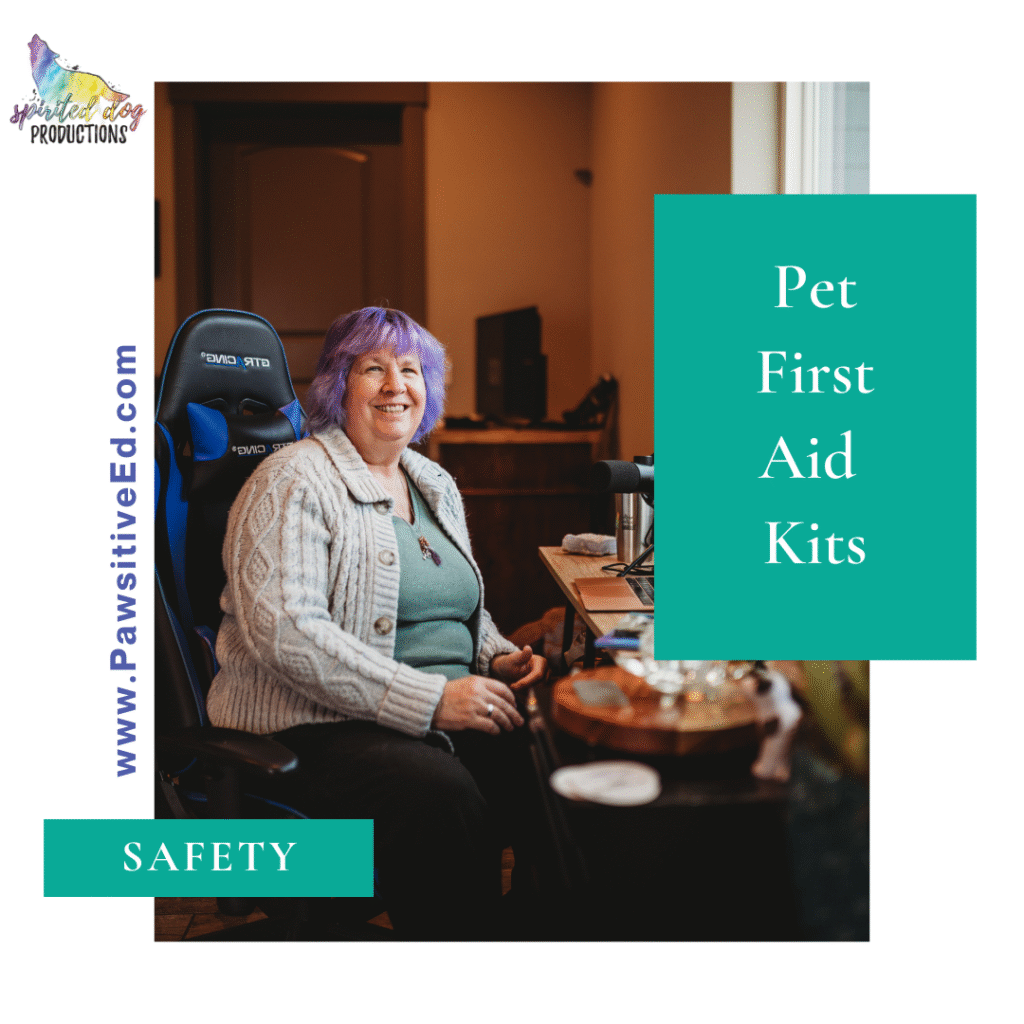
When seconds count, your pet’s life could depend on what’s in your first aid kit.Emergencies don’t wait for veterinarians’ office hours, and in those critical moments, being prepared can mean the difference between panic and purposeful action. That’s why one of the most common questions I get asked is: “What’s in your pet first aid kit?” I prefer to build my own kit. Pre-packaged ones are convenient, but they often lack the essentials I want—or omit items companies can’t legally include. My kits evolve as I discover new products, update best practices, and refine what truly works in the field. Here’s my current kit of must-have items: Activated charcoal (pill form): Absorbs ingested poisons. Use only under veterinary direction. Antibiotic cream: For wounds (avoid triple antibiotic cream on cats, as it can be fatal). Antihistamine & safety pin: For allergic reactions. Use diphenhydramine gel caps, puncture, and apply directly; always consult a vet for dosage. Smartphone apps: Pet Poison Helpline (paid, but fast in an emergency) and a free vet locator—lifesavers for mobile groomers. Baking soda: Neutralizes topical poisons/chemicals. Band-Aids: For you. (You’ll use these most often!) Bandanas: Serve as triangular bandages, slings, or restraints. Expired gift cards: Cushion paw pad injuries or remove bee stingers. Eyewash: Flushes both eyes and wounds. Gauze (rolls, pads, nonstick pads): Nonstick first, then standard gauze on top. Honey packets: For hypoglycemic pets—ONLY under veterinary direction. Hydrogen peroxide: Induce vomiting in dogs (never cats), but only with a vet’s guidance. Ice: To slow bleeding (use client’s freezer). Liquid bandage: Effective but risky without vet instruction. Muzzles: Essential for handling pets in pain. Plastic baggies: Collect vomit or fecal samples. Rubber gloves: For protection and safe sample handling. SAM splints: Moldable support for injured limbs. Sanitary napkins: Absorb blood efficiently. Squirt bottle: Administer hydrogen peroxide to dogs. Styptic powder: For nails only—not wounds. Tea bags (tannic acid): Stop bleeding; safer than sugar for pets. Vet wrap (or human equivalent): Secures wounds; remove daily to prevent constriction. Wound cleanser: Best options: sterile saline (eyewash), chlorhexidine, or Vetericyn. Avoid peroxide, alcohol, or plain water. 🔄 Don’t forget: many items expire. Update your kit yearly. And if you opt for a pre-packaged kit, open it before you need it, then add the missing essentials. 💡 Quick, knowledgeable action not only speeds recovery and reduces pain, it can also save on costly vet bills—a win for pets, owners, and professionals alike.
Grow Your Business By 30% Without Adding New Clients

💡 What If You Could Grow 30% Without Gaining a Single New Client? Imagine increasing your revenue by 30% and boosting your business growth by up to 15%—without spending a dime on marketing or acquiring a single new client. No ads. No fancy funnels. Just by reframing how you present the services you already offer. That’s the power of intentional, ethical upselling. And yet, so many groomers hesitate to implement it—not because they don’t care, but because it feels pushy, awkward, or even dishonest. Let’s bust that myth wide open. In a perfect world, every grooming business would operate on an all-inclusive model: 🐾 These are the services your pet needs.💲 Here’s what they cost.📝 Please sign this estimate. Simple, transparent, and holistic. But not every facility has adopted this model. And by not doing so, they may be leaving serious income—and sustainable growth—on the table. The truth is, many groomers are offering additional services… they’re just not getting paid for them. Others hesitate to upsell at all, often for reasons like these: 🚫 “Upselling Feels Like a Scam” Let’s get something straight: upselling isn’t sleazy when the service has real value. The issue usually comes down to a disconnect—either the groomer doesn’t fully understand the benefit, or they’re unsure how to clearly communicate that value to the pet owner. Take toothbrushing, for example. Most groomers know brushing only works if maintained at home. But are you framing it as a life-extending wellness practice? Poor dental health can reduce a pet’s lifespan by up to 30% and cause chronic pain that results in behavioral issues. That’s powerful information. Imagine offering a take-home kit that includes a free brushing with every refill—a better upsell, better compliance, and better pet health. Or consider brush and comb sales. Instead of simply selling tools the owner likely won’t use, what if you offered a kit bundled with a 15-minute tutorial? Help them understand how regular, proper use leads to cleaner homes and less stressful grooming for their pet. You’re not selling a comb. You’re selling peace of mind. 💸 “I Don’t Want to Nickel and Dime My Clients” No one wants sticker shock. And yes, jumping from $50 to $85 on a grooming ticket can feel like overcharging—unless the value is clearly communicated. Clear pricing distinctions matter, especially for services like de-shedding. Is it a light touch-up included in the bath? Or a full treatment with masks and soaks? Spa add-ons, like conditioning masks or paw soaks, aren’t frivolous if they address real concerns. But the key is confidence and competence. Is the groomer trained to explain how a skin-soothing soak helps relieve chronic itching? Can they explain the value of deep conditioning for coat health and mat prevention? 😶 “I’m an Introvert—I Don’t Want to Have These Conversations” Even the shyest groomer can upsell—if the system supports them. Relying on posters or countertop signs doesn’t cut it. How many of us push a door that clearly says pull? 🙋♀️ Instead, imagine using custom carbonless estimate forms during check-in. As you evaluate the pet, check off the services they need. The owner now sees exactly what’s recommended, what’s optional, and what it all costs—without a sales pitch. Add smart line items like “Collar Washing”—a small, convenient service that solves a real problem. Or offer an in-salon-only discount on a new collar. It’s about showing options, not pushing them. 🙄 “There’s No Incentive for Me (or My Team) to Upsell” Let’s be honest: if the upsell doesn’t benefit the groomer, why should they bother? Build in fair, motivating compensation. Start by calculating what each upsell costs in time and product. Then, design a system that rewards the groomer while still delivering excellent value to the client. 🛒 What Does Effective Upselling Actually Look Like? It looks like this:For my husband’s birthday, he wanted a $70 bird sculpture from a John Oliver segment. Simple purchase, right? 🪶 Add to cart.🪶 “Would you like a $20 figurine to go with that?” Yes.🪶 “Spend $20 more for free shipping—here are some $20 items.” Sure. Suddenly, my cart jumped from $70 to $150. Not because I was pressured—but because I was offered choices that made sense to me. That’s the secret sauce: educate, don’t sell. 🧼 The Takeaway You don’t need to be a smooth-talking salesperson. You just need systems, services you believe in, and groomers who can communicate value. When you nail that? Upselling naturally evolves into all-inclusive pricing—and your business becomes simpler, stronger, and more profitable. 📝 Want a tip? Create your own carbonless estimate forms at Vistaprint.